Lau Fau Shan
Lau Fau Shan: A New Digital and Eco-Technology Frontier
From oyster beds to innovation hub
For many years, Lau Fau Shan has been known for its sunset views, oyster farms, and seafood heritage. Today, however, it is being reimagined under the Northern Metropolis vision as a new coastal hub for technology, recreation, and sustainable living.
For land co-owners, this shift from a traditional rural setting to a high-tech waterfront district represents a major change in long-term land value and development potential.
A coastal location with strategic value
Lau Fau Shan is well placed to connect the modern service cluster of Hung Shui Kiu with the technology centres of Qianhai and Nanshan in Shenzhen. This gives the area a unique role in bridging Hong Kong’s western innovation corridor with the wider Greater Bay Area.
A key part of the plan is a digital technology hub of around 15 hectares, to be managed by Cyberport. The focus is expected to include fintech, smart living, and digital entertainment, creating a new anchor for innovation in the district.
Reimagining the waterfront
Beyond technology, Lau Fau Shan is also being developed as a more attractive destination for leisure and tourism. A planned 4.8 km waterfront promenade, stretching from Tsim Bei Tsui to Pak Nai, is set to transform the coastline into a scenic eco-tourism attraction.
The area is expected to support a mix of hotels, resorts, and a waterfront performance venue, combining natural beauty with new lifestyle and visitor experiences.
A balanced future
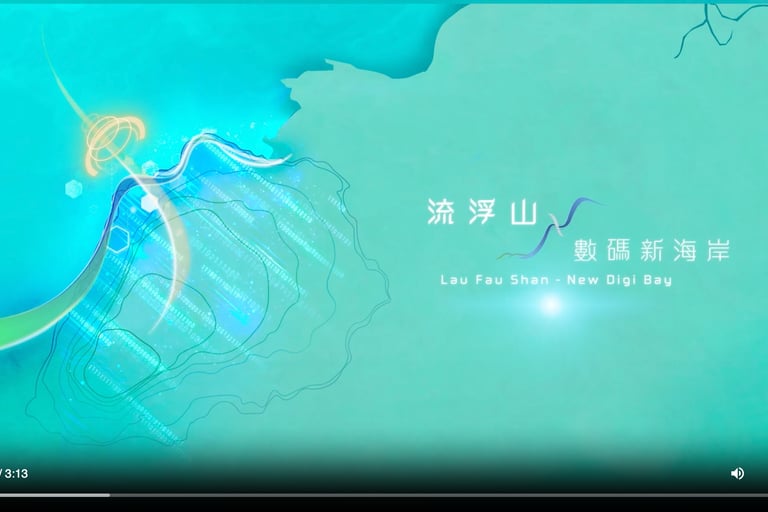
The long-term vision for Lau Fau Shan is “New Digi Bay” — a district that brings together technology, housing, and nature in a more balanced way. This approach aims to preserve the area’s heritage while introducing new economic opportunities.
Future plans also include the Hong Kong-Shenzhen Western Rail Link, which will improve access between Hung Shui Kiu and Qianhai, with Lau Fau Shan Station serving as an important gateway. In parallel, statutory rezoning is expected to unlock development potential for around 48,000 to 53,000 new flats, supporting a population of up to 146,000.
To help traditional industries adapt, a proposed NM Urban-Rural Integration Fund would also support the modernisation of sectors such as oyster farming and seafood retail alongside the growth of the digital economy.
© 2026 All rights reserved.